BATTERY CELL GASKETS, SEALS & INSULATION PARTS

Battery Sealing Components

Custom main gaskets, terminal seals, filling-port seals and insulating components for defined battery-cell interfaces. Material and geometry are selected for the actual assembly and operating conditions.

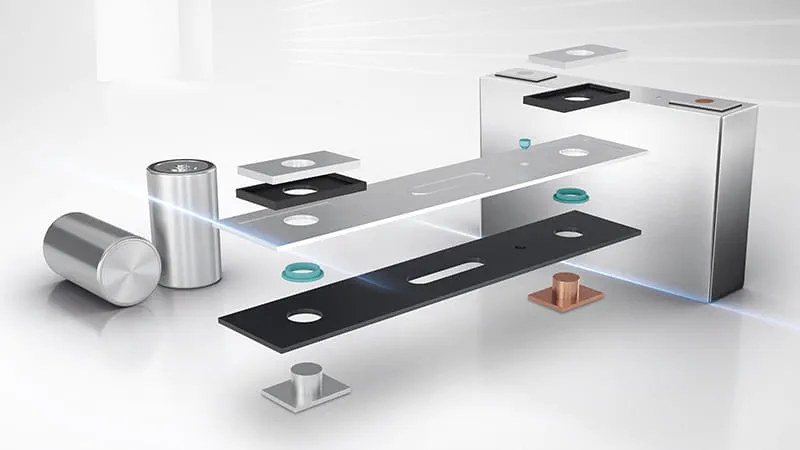
Exploded battery-cell lid assembly showing sealing and insulating components among metal hardware

Sealing Parts for Defined Cell Interfaces

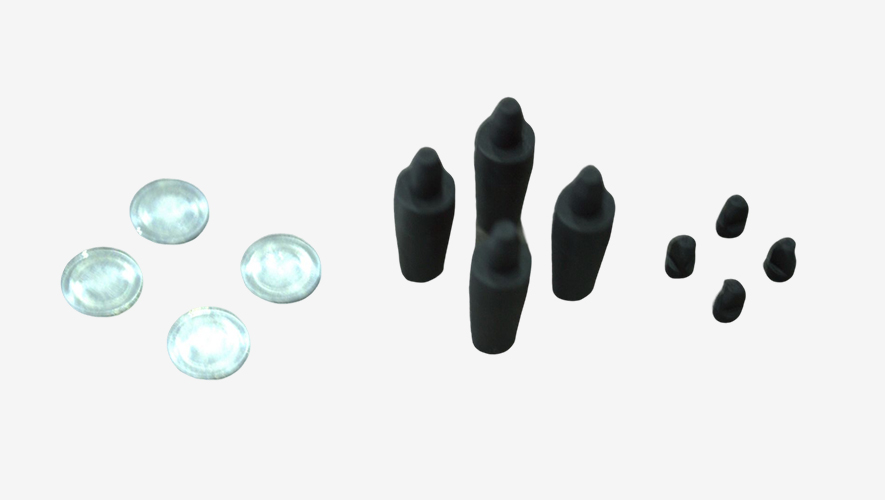
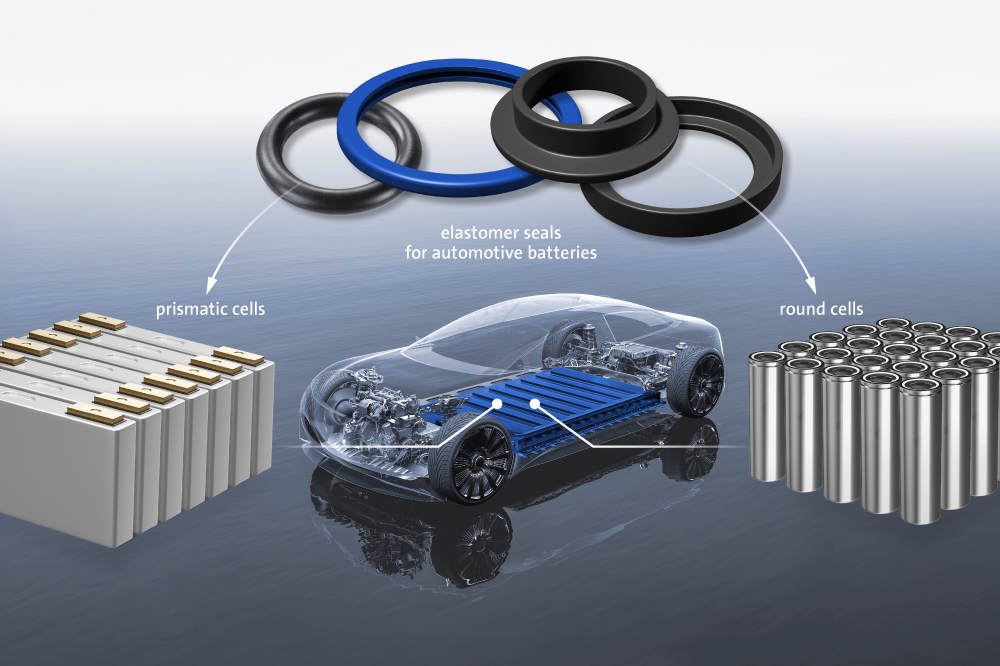
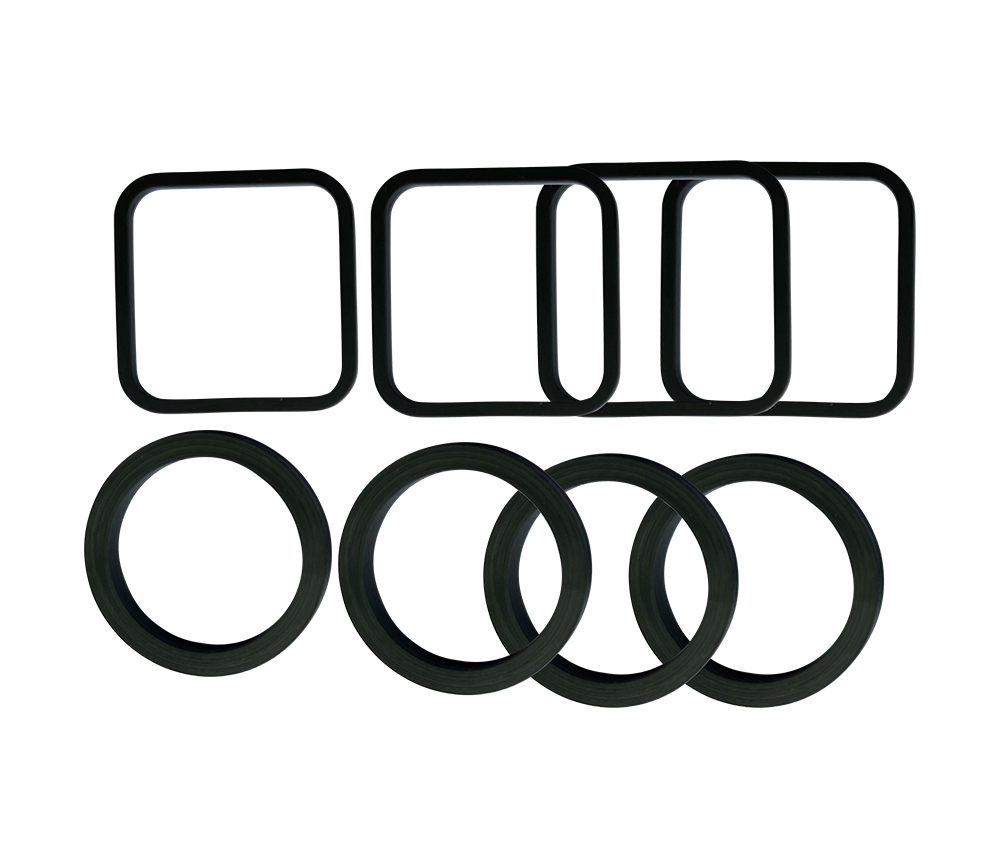
DAWNION supplies custom rubber and plastic components for battery sealing and insulation interfaces. The product family includes main gaskets, terminal seals, electrolyte filling-port seals, insulating parts and other molded components made to the customer drawing.

A cell lid contains several distinct interfaces. A gasket, a filling-port seal and an insulator have different functions and cannot be selected solely by appearance. Dimensions, mating surfaces, assembly method and material requirements should be specified for each component.

Our scope here is the custom polymer component. Metal terminals, cap plates, current collectors and complete battery cells shown in reference drawings provide assembly context; they are not presented as DAWNION-manufactured rubber parts.

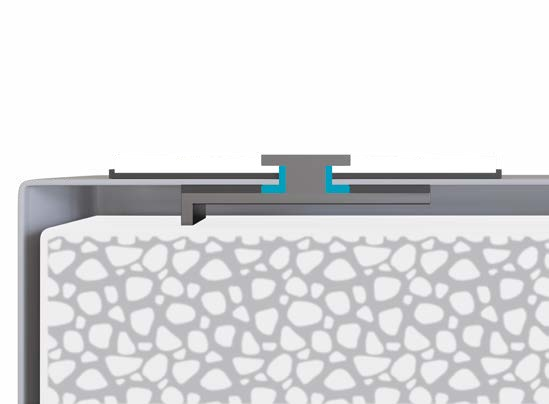
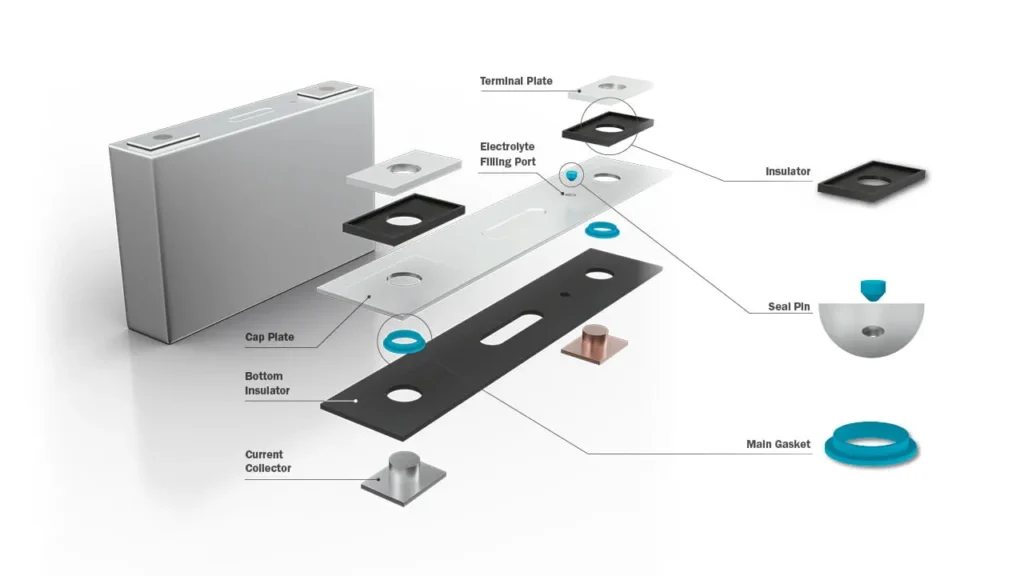
Labeled cell-lid reference drawing identifying main gasket, seal pin, insulator and surrounding metal parts

COMPONENT STRUCTURE

Understand Each Part in the Lid Assembly

The exploded reference drawing separates the polymer parts from surrounding metal components. Use it to identify the interface; final design and material selection follow your own cell assembly.

Sealing Interfaces

Gaskets and terminal-interface seals occupy defined mating locations. Their sealing role depends on geometry, compression and the selected material.

Filling-Port Closure

A small seal or plug fits the electrolyte filling opening. Its shape must suit the filling and closure sequence.

Electrical Separation

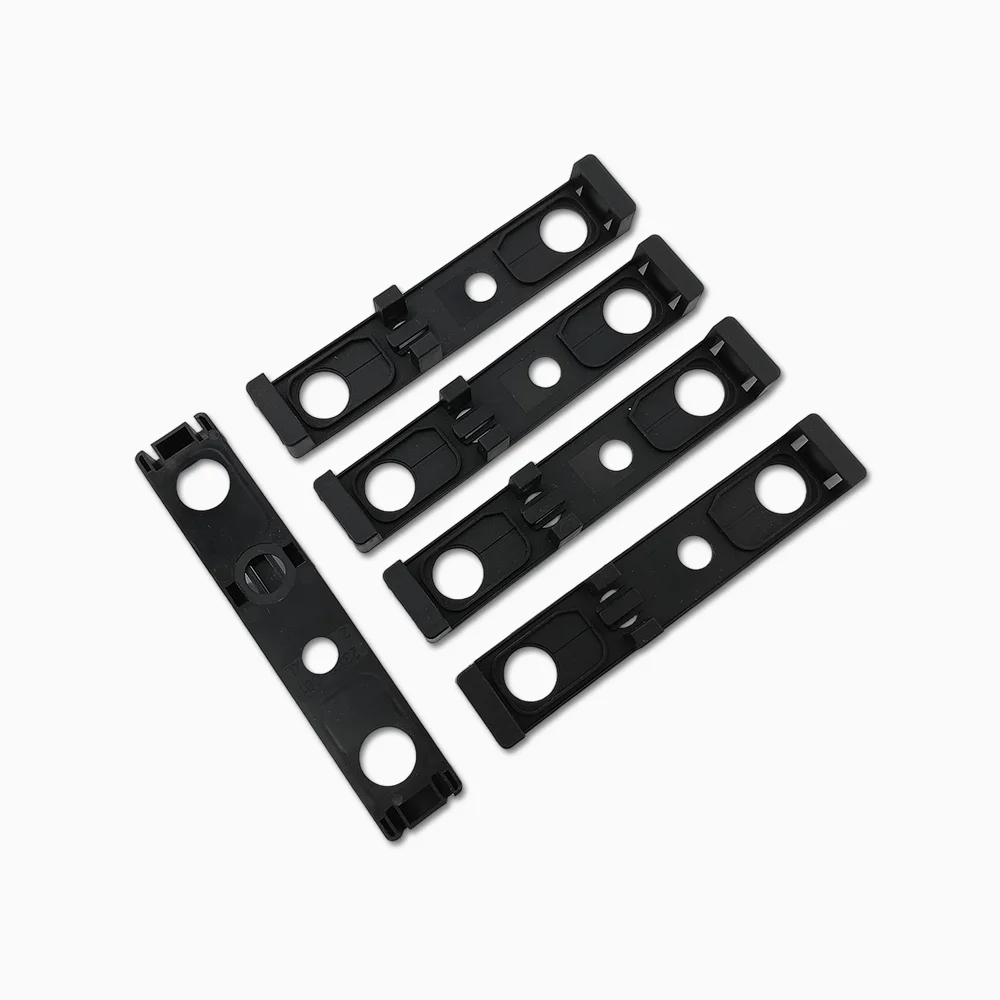
Insulators separate specified conductive parts. Depending on the design, these may use different polymer materials; they are not assumed to be silicone.

ASSEMBLY INTERFACES

Specify the Interface Before the Seal

Provide the component drawing together with the mating lid or terminal geometry. Identify where the part contacts electrolyte, process fluids or external conditions, and describe the installation method.

Confirm the intended compression, handling and retention requirements. For insulating parts, define the electrical separation duty separately from the sealing requirement.

Reference drawings may show complete cells and metal hardware to explain component locations. They do not establish interchangeability with another supplier's design or material.

Labeled cell-lid reference drawing identifying main gasket, seal pin, insulator and surrounding metal parts

DRAWING TO COMPONENT

Custom Parts from Drawing to Sample

DAWNION carries out mold design, tooling, rubber molding and prototyping in-house. The component design and material are reviewed against the stated project requirements.

01

Material & Exposure

Identify the proposed compound or polymer, electrolyte or process-media contact, operating conditions and required qualification. Suitability must be confirmed for the exact combination.

02

Tooling & Geometry

Review sealing faces, thin sections, parting-line locations and locating features with the mating-part drawing. Keep metal hardware and polymer component requirements clearly separated.

03

Samples & Checks

Agree component dimensions, appearance and sample requirements. Define leak, aging or electrical tests and who performs them before treating a design as qualified.

No electrolyte-compatibility guarantee, leak-rate specification, dielectric rating or battery certification is implied. These requirements must be established and verified for the chosen material and assembly.

START AN ENGINEERING REVIEW

Develop Your Battery Sealing Component

Send the part drawing or sample, mating-interface details, material requirements and expected quantity. Identify the sealing, electrical or qualification criteria that apply.

Request a Quote